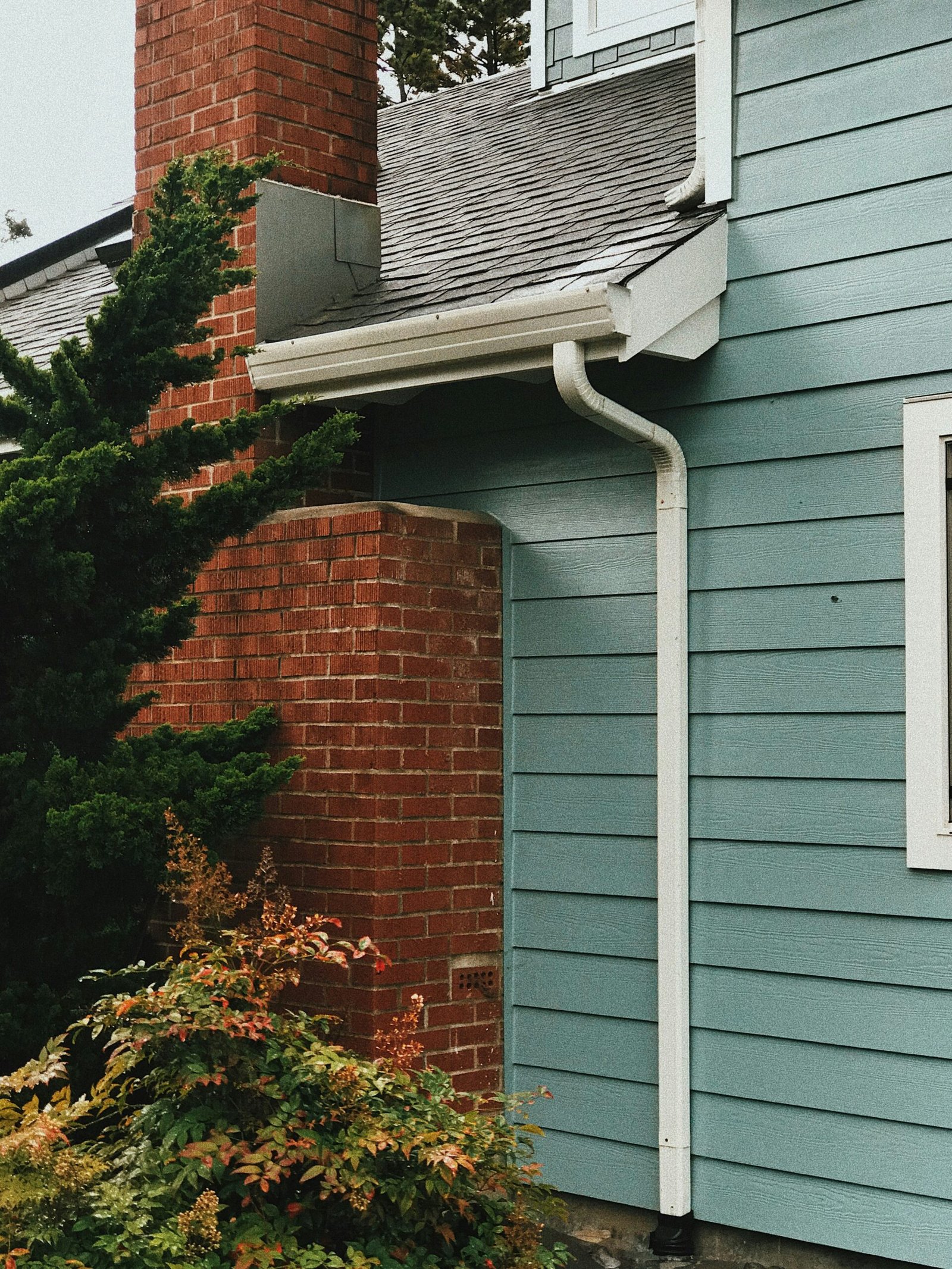
Gutters play an important role in protecting your home’s exterior by directing rainwater away from the roofline, siding, and foundation. When gutters become clogged, damaged, or improperly positioned, water may overflow and create problems around your property.
Regular gutter maintenance can help you identify potential issues, improve drainage, and protect your home from avoidable water damage.
1. Prevent Water From Damaging Your Roof
Clogged gutters can prevent rainwater from draining properly. When water backs up near the roof edge, it may contribute to moisture problems around fascia boards and other roofing components.
Keeping gutters clear and ensuring that water can flow freely helps support the overall performance of your roof drainage system.
2. Protect Your Home’s Foundation
Gutters and downspouts work together to move rainwater away from your home. If downspouts discharge water too close to the foundation, repeated exposure may contribute to drainage concerns.
Check that downspouts direct water away from the building and that the surrounding ground allows water to drain appropriately.
3. Reduce Siding and Exterior Damage
Overflowing gutters can leave water streaks on siding, stain exterior surfaces, and contribute to moisture problems around trim and fascia.
If you notice persistent water marks, peeling paint, or damaged exterior materials near your gutters, inspect the drainage system for blockages or leaks.
4. Reduce the Risk of Pest Problems
Leaves, twigs, and standing water can create an attractive environment for certain insects and pests. Gutters filled with organic debris may also provide nesting opportunities.
Removing accumulated debris and maintaining proper drainage helps keep your gutter system in better condition.
5. Recognize the Signs of Gutter Problems
Your gutters may need attention if you notice:
- Water spilling over the sides during rain.
- Sagging, loose, or detached gutter sections.
- Visible rust, cracks, or leaking joints.
- Water pooling around the foundation.
- Peeling paint or deterioration near fascia boards.
- Gutters that remain clogged shortly after cleaning.
These signs may indicate that cleaning, repair, adjustment, or replacement is needed.
How Often Should You Clean Your Gutters?
The right cleaning schedule depends on nearby trees, local weather, and the amount of debris that collects on your roof. Many homeowners benefit from checking their gutters at least twice a year and inspecting them after significant storms or heavy leaf fall.
Homes surrounded by trees may need more frequent attention. Always use appropriate safety precautions, or hire a professional if the work involves ladders, difficult roof access, or damaged components.
When Should You Consider Gutter Replacement?
Cleaning can resolve many drainage problems, but it will not correct every issue. Gutters that are badly corroded, repeatedly leaking, severely sagging, or damaged beyond practical repair may need replacement.
Seamless gutters may be an option for homeowners looking to reduce the number of joints along their gutter runs. The right system depends on the property’s dimensions, roof design, drainage needs, and budget.
Keep Your Home Protected With RoCo Roofing
A properly maintained gutter system supports your home’s overall exterior protection. RoCo Roofing offers gutter solutions to help homeowners address drainage concerns and maintain their properties.
If your gutters are leaking, overflowing, or showing signs of deterioration, a professional assessment can help you determine the best next step.