Welcome to RoCo Roofing
Commercial Roof Replacement in West Michigan
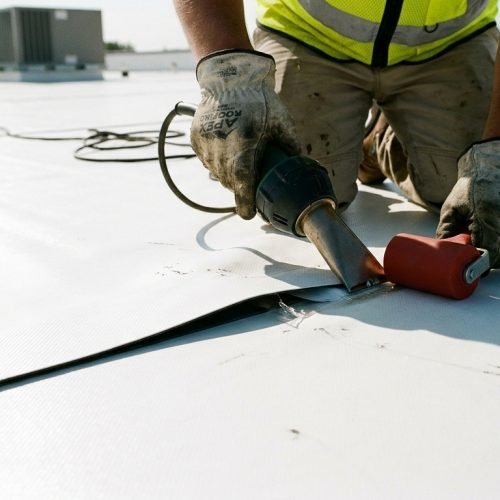
RoCo Roofing replaces failing flat, low-slope and metal roofs on commercial buildings across West Michigan. We assess the existing roof and insulation, recommend TPO, EPDM or metal based on your building and budget, and schedule the tear-off around your operations. Every installation carries our 10-year workmanship warranty.
When your commercial roof becomes worn, damaged, or reaches the end of its lifespan, RoCo Roofing helps you explore reliable replacement solutions. Our commercial roof replacement services are designed to protect your building, improve roof performance, and support the long-term needs of your business property.
Professional Commercial Roof Replacement Services
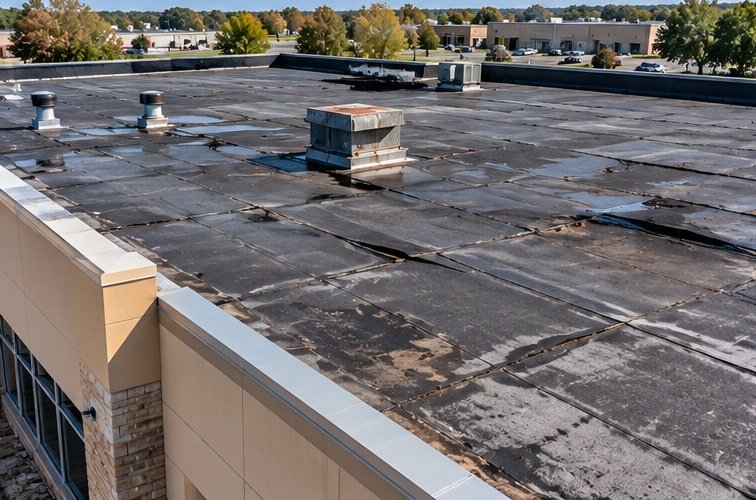
A deteriorating commercial roof can lead to water leaks, damage to building materials, and disruptions to daily business operations. RoCo Roofing helps property owners assess their existing roofing systems and determine when commercial roof replacement may be the right solution. We focus on dependable workmanship and roofing options suited to the building’s condition and requirements.
Whether your commercial roof has extensive damage, persistent leaks, or aging materials, choosing the right replacement system is important for protecting your investment. Our team helps you understand available roofing options and plan the next steps toward a durable, weather-resistant roof designed for your commercial property.
Residential Roofing
Commercial Roofing
Storm Damage Restoration
Siding, Gutters & Exteriors

Commercial Roof Replacement Solutions
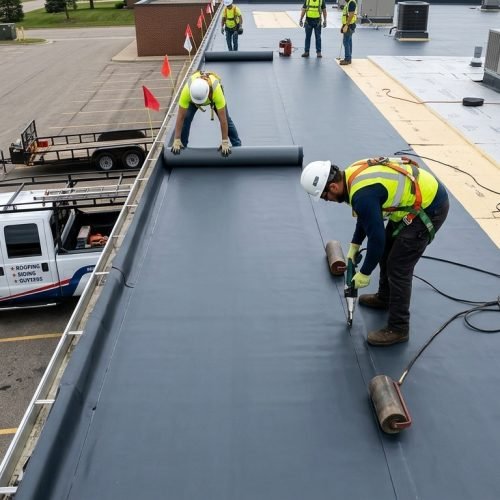
Flat Roof Replacement
Replace a worn or damaged flat roof with a suitable roofing system designed to improve weather protection, manage water drainage, and support your building’s long-term performance.
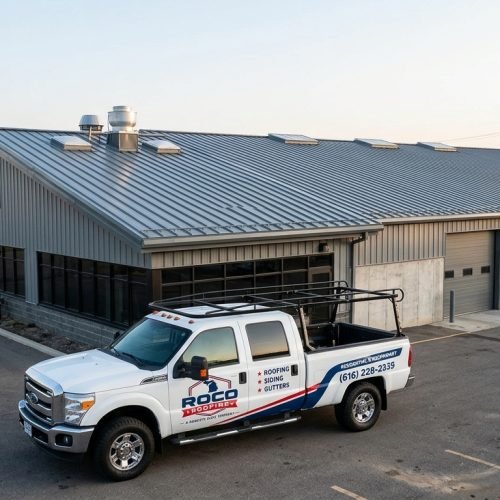
TPO Roof Replacement
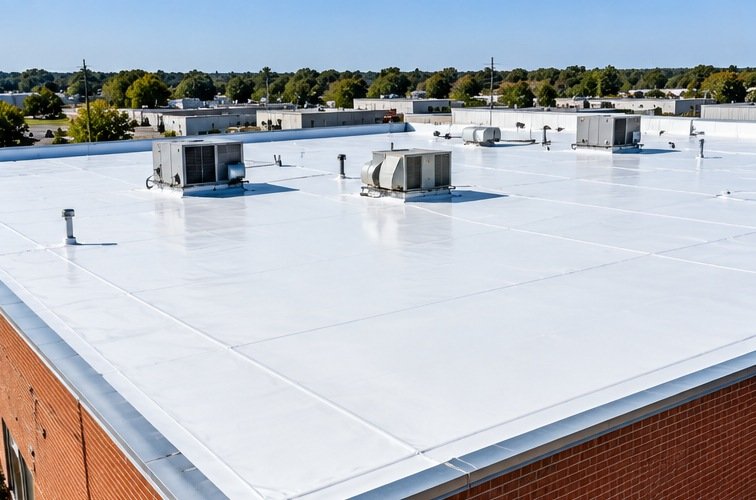
TPO roofing is a popular option for commercial buildings with flat or low-slope roofs. This membrane system offers weather resistance and energy-efficient properties for suitable commercial roofing applications.
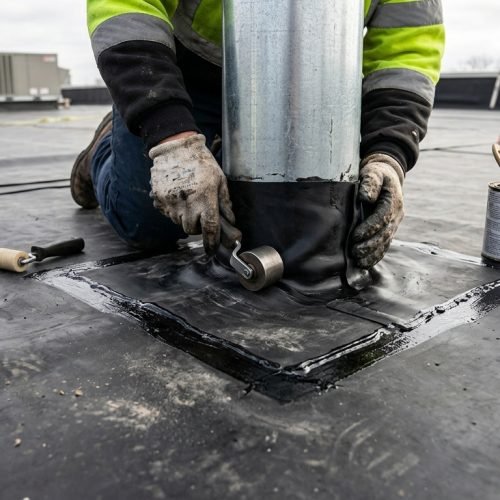
EPDM Roof Replacement
EPDM is a durable rubber roofing membrane commonly used on flat and low-slope commercial roofs. It provides flexible, weather-resistant protection for a variety of commercial properties.
Metal Roof Replacement
Upgrade an aging commercial metal roof with a replacement solution designed for durability and reliable weather protection. The right metal roofing system can help maintain your building’s exterior performance for years to come.
Our Commercial Roofing Projects
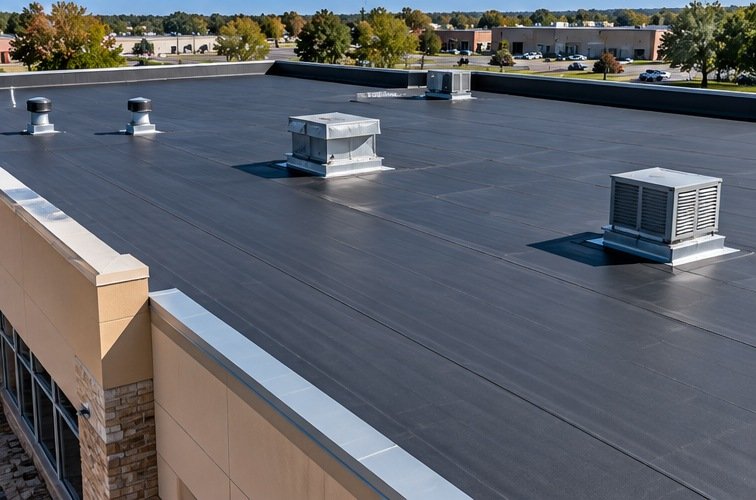
Explore our roofing projects to see how professional roofing work can improve a property’s protection and appearance. RoCo Roofing focuses on quality workmanship and practical roofing solutions tailored to each building’s needs.

What Our Customers Say


 Trustindex verifies that the original source of the review is Google.
 Trustindex verifies that the original source of the review is Google.
 Trustindex verifies that the original source of the review is Google.
 Trustindex verifies that the original source of the review is Google.
 Trustindex verifies that the original source of the review is Google.
 Trustindex verifies that the original source of the review is Google.
 Trustindex verifies that the original source of the review is Google.
 Trustindex verifies that the original source of the review is Google.
 Trustindex verifies that the original source of the review is Google.
 Trustindex verifies that the original source of the review is Google.
Frequently Asked Questions
When Should a Commercial Roof Be Replaced?
A commercial roof may need replacement if it has frequent leaks, widespread damage, aging materials, or recurring repair costs. A professional roof inspection can help determine whether replacement is more practical than continued repairs.
How Much Does Commercial Roof Replacement Cost?
The cost of commercial roof replacement depends on the roof’s size, existing condition, roofing material, accessibility, and installation requirements. RoCo Roofing can assess your property and provide an estimate based on your specific roofing needs.
How Long Does Commercial Roof Replacement Take?
The timeline depends on the size of the building, roofing system, weather conditions, and extent of the work. Smaller projects may take a few days, while larger or more complex commercial roofs can require several weeks.
What Roofing Materials Are Available for Commercial Roof Replacement?
Common commercial roofing options include TPO, EPDM, and metal roofing. The right material depends on your building’s roof design, energy-efficiency goals, budget, and long-term maintenance requirements.
Can a New Commercial Roof Improve Energy Efficiency?
Yes. Choosing an appropriate roofing system with reflective properties and proper insulation can help reduce heat transfer and cooling demands. The overall energy savings depend on the building, existing insulation, and selected roofing materials.